Description: Provide a basic summative course description appropriate for learners to read. Include previous course code if this is a renewal. Start and Expiration Dates are required for determining credit expiration. Event Date(s) our office requires the first and other planned dates/times of the course to determine the window for accreditation. Frequency: Include the date/time/location & max enrollment for each planned occurrence of an event/course. Indicate the registration/attendance method you plan to use to document participation (API, Duke LMS, Duke Ethos, private system, etc).
Faculty: Match spelling to submitted disclosure form. Include credentials/licenses related to course planning role. Credit request, planning committee & target audience must match (for example: if asking for nursing credit, a nurse must be on committee and part of the target audience, if asking for pharmacy credit, a pharmacist must be on committee and part of the target audience, etc…)
Disclosure Forms are required for all involved in the planning & teaching of educational content. Complete prior to submitting the application using the Disclosure Form document to facilitate application process. All financial relationships must be mitigated prior to planning the CE activity. *Additional speakers must resolve any conflict of interest & submit disclosures 1 week prior to any educational activity. Review active disclosures on the CE Disclosure Dashboard to verify all planners and presenters have current disclosures on file.
Audience: Credit request, planning committee & target audience must correlate. Select geographic location and specialties as appropriate.
Gap Analysis: Describe the gap between the actual and ideal practice (desired state v. current reality)
Educational Need: Describe the perceived need for knowledge/competence/performance as identified by the planner via practice, experience, reflection, questioning, practice audits, self-assessment evaluation, peer review’s judgment, surveys, focus groups, analysis of practice and other sources.
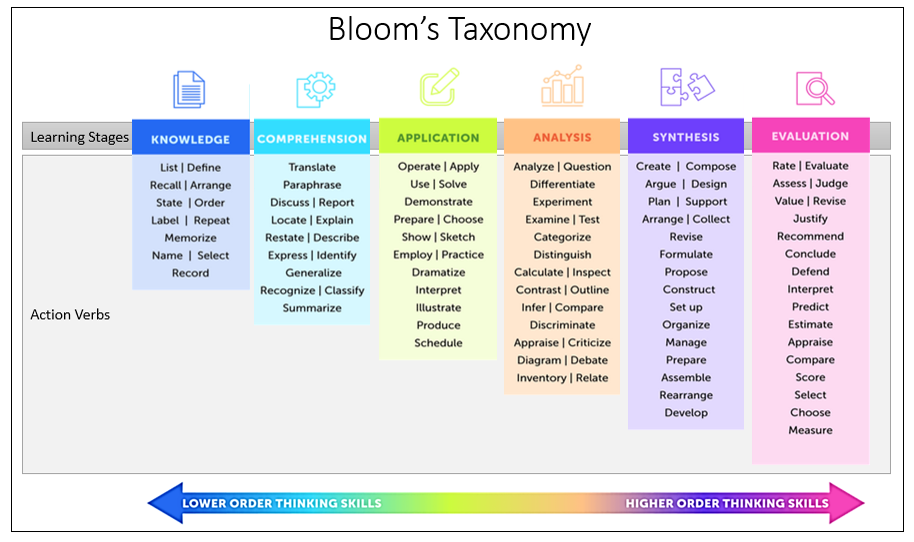
Learning Objective: Learner objectives should be specific, measurable and stated from the perspective of a learner. A learning objective should identify what the learner will do as a result of attending the activity using specific action verbs from Bloom's Taxonomy Desired Results: Describe the ideal change in practice
Barriers: Identified barriers must include a plan for addressing the barriers
Outcomes: Selected outcome measurement(s) are to be filed in your course file to meet ACCME expectations
AGENDA, ETC: Submit a complete agenda with actual start & end times of an activity. See Example Agenda &/or Syllabus Requirements. The agenda and/or syllabus is used to calculate credits. Additional items to submit include course flyers & advertisements/marketing, developed slides, contracts &/or grants related to the course. Review Advertising Requirements. Advertising of the event with credits is not allowed before receiving approval. Save the date advertising is allowed without reference to credits.
Financial: enter fees (if any) for participants. Select the Funding Source appropriate to the event.
Commercial Support and Exhibitors: Will this activity receive commercial support (financial or in-kind grants or donations) from a company such as a pharmaceutical or medical device manufacturer? Note: exhibit fees are not considered commercial support. Participating vendors must complete and submit Duke Hold Harmless forms 2 weeks before the event. Grants associated with this event must be submitted in their entirety without amendment to this office. Budget: All charges, fees, grants, donations, and commercial support are to be included in the budget and attached (including zero budget activities). The Budget Template has calculation formulas embedded for your convenience.
Manage: You must select Yes for "This form is complete and ready for submisstoer to submit application

 Facebook
 X
X LinkedIn
 Forward